Policy Research and Resources
Internet Safety Resources
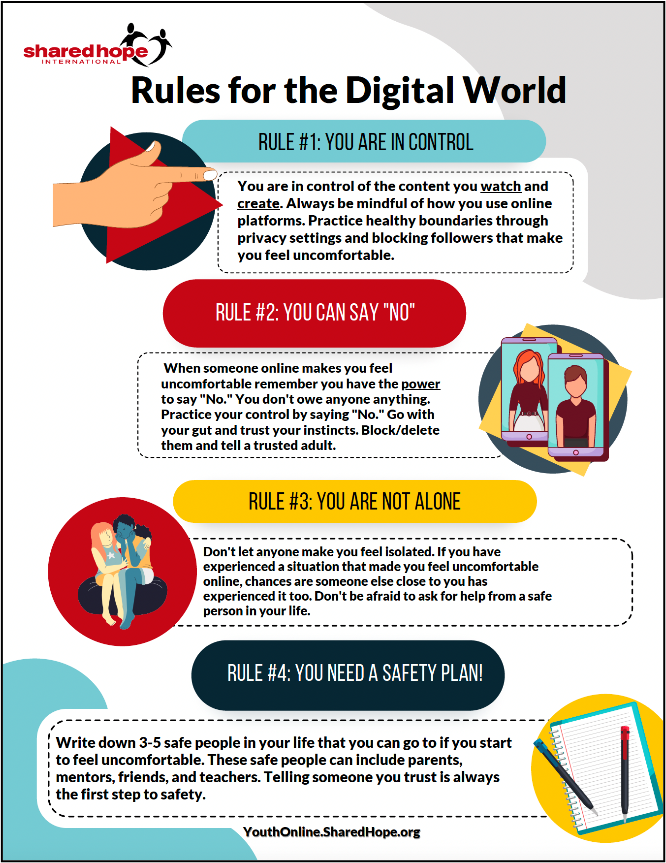
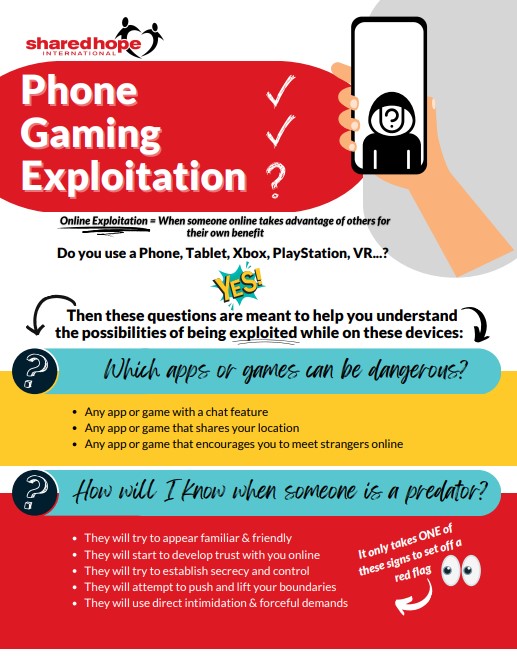
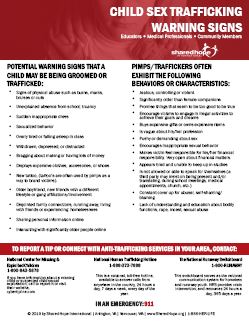
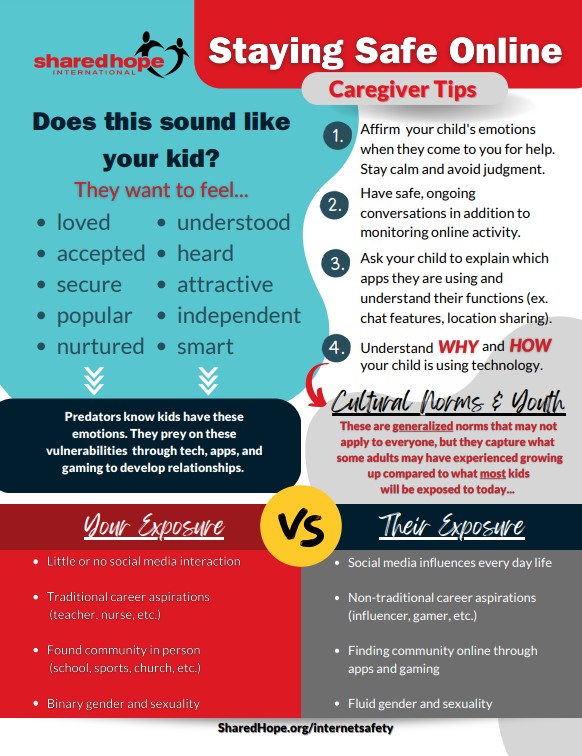
Technology, including social media and classified websites is a continually changing landscape, and are widely viewed as being responsible for the explosion of sex trafficking in the United States. Our own research backs this up. Stay ahead of the game with out Free Internet Safety Resources.
The Anti-Trafficking Resource Network
The ATR Network is Shared Hope’s peer-to-peer communication listserv created for anti-trafficking professionals. This tool is designed to support cross-discipline connections from state to state and foster the sharing of anti-trafficking practices and strategies for NGOs, law enforcement, service providers and other professionals combatting trafficking in the United States.
This listserv is for professionals in the anti-trafficking field and is by invite only. You may request an invitation to the Anti-Trafficking Resource Network here. The request must include your official work email address, your title and the organization/agency you represent.
This listserv is for professionals in the anti-trafficking field and is by invite only. You may request an invitation to the Anti-Trafficking Resource Network here. The request must include your official work email address, your title and the organization/agency you represent.
Are all my communications public?
- Non-registered users can find the name of the listerv in a google group search, but all emails and communications written by group members to the listerv are only visible to fellow network members.
Will other members be able to see my email address?
- Other members of this group can find your email address.
How soon will I be added after I make a request?
- You will receive a confirmation of acceptance within two weeks, or a request from network hosts for additional information to clarify your eligibility.
Will my contact information be shared with anyone else besides the Network?
- Shared Hope International will not add you to the organization’s database or share your contact details with anyone outside of the ATR Network.
Why do you require references if I’m not employed by an agency?
- While we recognize and validate the contributions of every community member to the anti-trafficking field, the network is designed to support the needs of professionals who work full-time in this field, or who operate in a consultation capacity. References provide the assistance we need to substantiate your request when you are attempting to join from a personal email account.
What sort of professionals are registered on the Network?
- We have invited hundreds to participate from disciplines such as law enforcement, legal and court services, probation and parole, child welfare, juvenile justice, victim services, healthcare, training, consultation, public education, NGOs, and mental health.
If there are hundreds of members, how many notifications am I going to receive every day?
- We doubt you’ll receive an abundance of posts every week. That said, your choice of settings is entirely up to you. Members can customize their settings to receive immediate notifications, daily summaries, bundled responses, or no notifications at all.
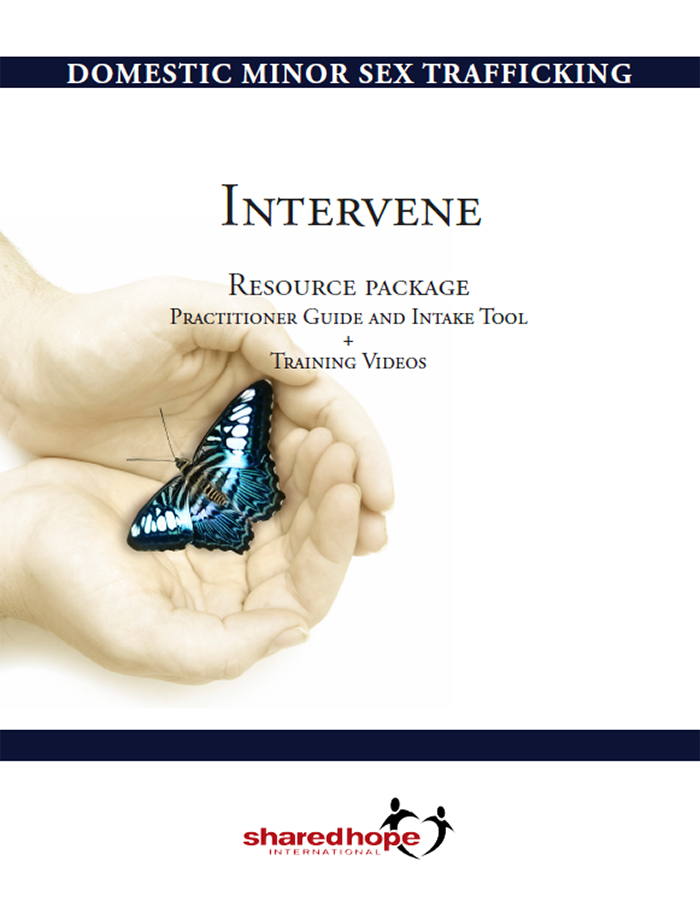
Education Films and Training Materials


Books



Printable Community Resources